
LIVE
BEAUTIFULLY
ENHANCE YOUR
NATURAL BEAUTY

Facial
Face Lift/ Neck Lift | Brow/ Forehead Lift | Blepharoplasty (Brow Lift) | Rhinoplasty | Lip Enhancement | Fat Injections
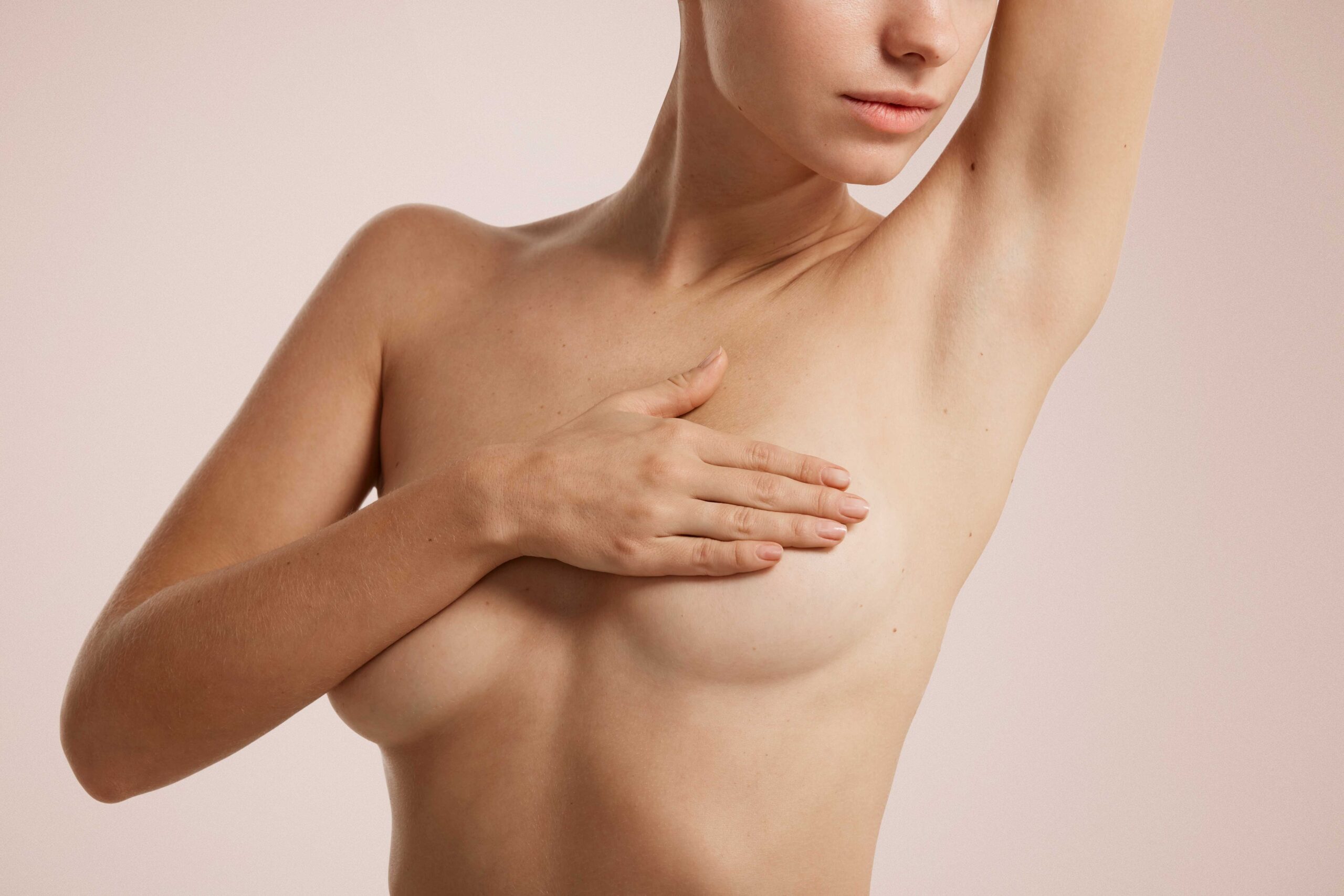
Breasts
Augmentation | Reduction | Lifting | Breast & Nipple Reconstruction | Male Breast Correction | Fat Injection | Correction of Inverted Nipple

Body Contouring
Buttock Augmentation | Body Lift | Thigh Lift | Buttock Lift | Brachioplasty | Liposuction (Full or Regional)
Abdomen
Abdoplasty (Tummy Tuck) | Liposculpting
Genital
Vaginoplasty | Labioplasty | O-Shot
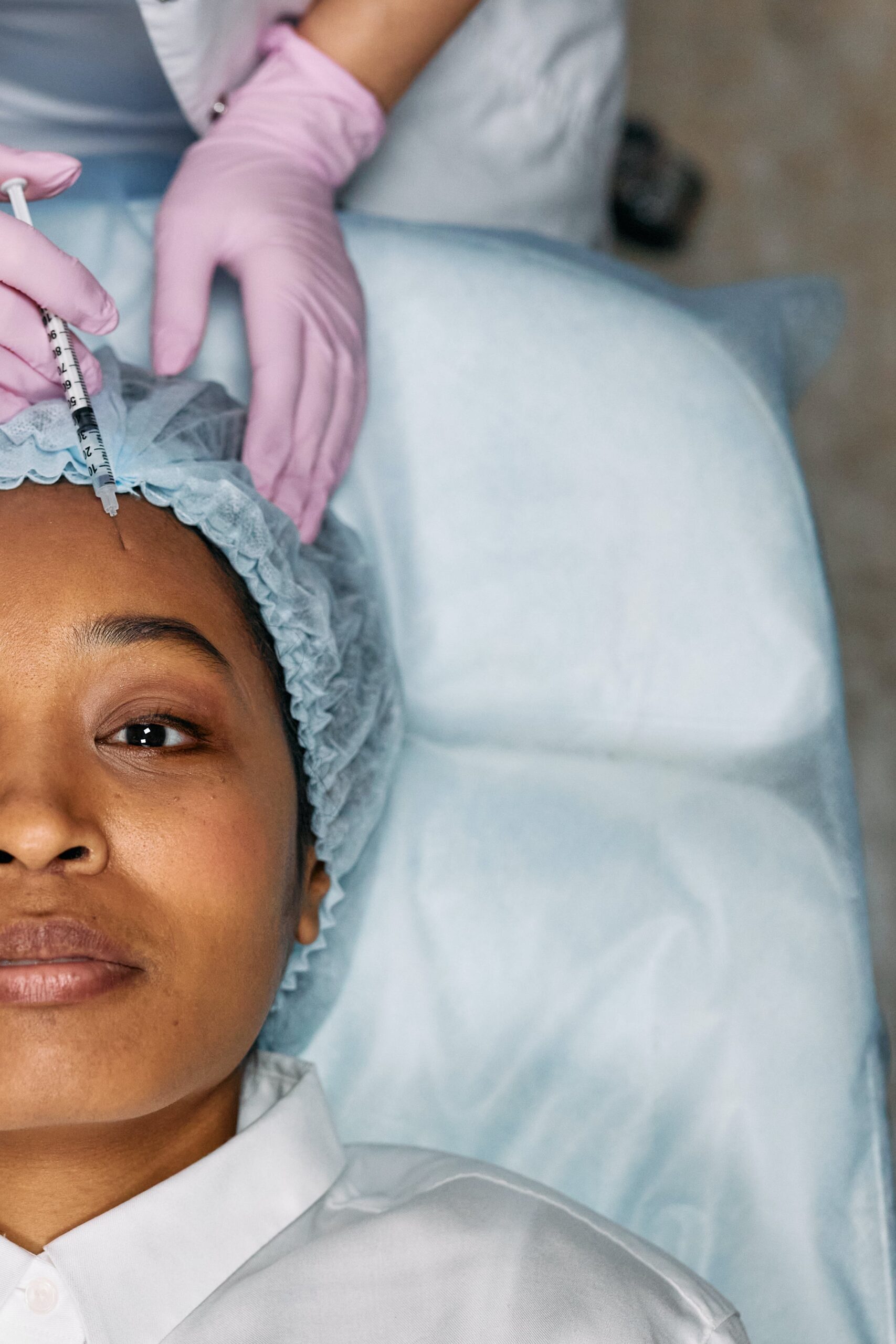
Dermal Surgery
Melanoma Excision And Reconstruction | Basal Skin Cancer Removal | Squamous Cell Cancer Excision And Reconstruction | Moles & Skin Tags Removal | Haemangioma Management | Tattoo Removal

Hands
Emergency Hands Trauma Management | Carpal Tunnel | Dupuytren’s Disease
Meet Dr Nkhensani Chauke-Malinga



Dr Nkhensani Chauke-Malinga is a Plastic and Reconstructive Surgeon with a special interest in Rhinoplasty and Nasal Reconstruction. She obtained a fellowship in Plastic and Reconstructive Surgery in 2017 from the Colleges of Medicine South Africa but cut her teeth in rhinoplasty as a fellow under Professor Enrico Robotti in Italy in 2018-2019 at Villa Sant’apollonia.
As part of her fellowship in plastic and reconstructive surgery, she also rotated at Villa Bella clinic for Aesthetic breast surgery, oculoplastic and body contouring training by Drs Giovani and Chiara Botti and Botox and filler training from Dr Frédéric Braccini in Milan.
Dr Chauke-Malinga is an active member of the South African Rhinoplasty Society, the European Rhinoplasty Society, the International Society of Aesthetic Plastic Surgery and the European Academy of Plastic Surgery Society.
A graduate of the Medical University of South Africa (MEDUNSA), Dr Chauke-Malinga passed her MBcHB in 2003 with distinctions in Obstetrics, Gynecology, Family Medicine and Internal Medicine. She also obtained the Smith and Nephew Student of the Year award in orthopaedics in 2003.
What Our Clients Are Saying

Patient Instruction Information
INSTRUCTIONS
The pre-operative instructions are important in giving you insight on things that hamper your healing progress. Please read carefully. If you still have questions after reading this, call the rooms (011 485 4434), to have all your concerns addressed
TWO WEEKS BEFORE YOUR SURGERY
Medications:
• Do not take any aspirin-containing products (see the attached list), anti-inflammatories (e.g. ibuprofen, advil, Meloxicam), blood thinners (e.g. coumadin, warfarin, clexane), or vitamin E for 14 days before your operation. These medications thin the blood and increase the risk of bleeding. Paracetamol can be taken safely.
• Stop taking any supplements, herbal, natural, diet, or alternative drugs 14 days before your surgery (e.g. ginkgo biloba, ginseng, St. John’s wort).
• We recommend stopping birth control pills or estrogen replacement therapy 4-6 weeks before surgery, particularly for abdominoplasty (tummy tuck) or liposuction. These drugs increase the risk of blood clots in the leg.
• Only essential medications may be taken throughout the peri-operation. It’s important to inform the surgeon and the anesthesiologist are aware of any medications you take.
• Patients with heart disease, Diabetes Mellitus, Previous cerebrovascular accidents, and pacemakers should also highlight this to the surgeon and anesthesiologist.
• Please notify our office before your surgery if you develop a cold or infection.
Smoking:
• Smoking should be stopped at least 2 weeks before your operation, and you should refrain from smoking at least 2 weeks after the operation as well. Smoking greatly increases the risk of poor wound healing and even skin loss.
NIGHT BEFORE & DAY OF SURGERY
• Arrange transport to fetch you after discharge and a person to look after you post-discharge.
• You can take only essential medications (for example, cardiac or blood pressure pills) on the morning of surgery with a small sip of water (except those mentioned below).
• Nothing to eat or drink after midnight the night before, and the morning of surgery. If you do eat or drink, your surgery will likely be cancelled.
• Remove all make-up and nail polish the night before surgery.
• If you are having a facelift or browlift surgery, wash your face with soap and shampoo your hair the night before surgery.
• If you are having breast surgery, make sure you have a post-operative or sports bra available and bring it into the operating room.
• Remove all jewellery and leave money and all valuables at home
• Do not shave 3 days before surgery. Shower before surgery.
• Wear comfortable, loose-fitting clothing that is easy to put on and take off (e.g. sweat pants, button or zipper shirt).
• Arrive at the hospital at least 2 hours before the scheduled operation time
• Be prepared to take time off work. In general, at least 5-7 days (this varies quite a bit, depending on the procedure). Try to avoid strenuous work or exercise for 6 weeks post-surgery. It is recommended to have someone at your home who can assist you.
WE RECOMMEND THAT PATIENTS DISCONTINUE USE OF THE FOLLOWING AT LEAST TWO WEEKS PRIOR TO SURGERY:
Aspirin Containing Products and
Anti-Inflammatories
Herbs and Natural Products
ASA
Instantine
Ginkgo biloba
Actifed
Indomethacin
Garlic
Advil
Midol
Ginger
Aleve
Motrin
Ginseng
Alka Seltzer
Naprosyn
Feverfew
Anaprox
Nyquil
Clove
Ansaid
Nytol
Danshen
Aspirin
Oxycodone
Dong Quai
Bayer
Pamprin
European Mistletoe
Celebrex
Pepto Bismal
Fenugreek
Contact
Percodan
Focus-kelp, black tang
Coumadin (Warfarin)
Persantine
Goldenseal
Darvon
Phenylbutazone
Horse chestnut
Dristan
Propoxphene
Northern prickly ash
Duragesic
Robaxisal
Endodan
Sominex
Entrophen
Sudafed
Fiorinal
Talwin Compound
Flurbiprofen Sodium
Trandate
Heparin
Trental
Ibuprofen
Vitamin E
General Comfort
It is important for you to get up, move around the house, and take some deep breaths 4-6 times a day from day 1 after the operation. Plan to sleep on your back with your head elevated, if possible. Sleeping on your side will cause swelling on the side you are laying on. Making yourself a nest with pillows can be very helpful.
Some people experience a slight sore throat or mild cough for 2-3 days after surgery. This is a side effect of anaesthesia and should resolve in 48-72 hours.
Pain Management
The first night and day after surgery will be your most uncomfortable. The pain will then stabilize over the next 24-48 hours and then decrease day by day. Analgesia appropriate to the type of surgery will be prescribed for you. Report to the doctor if you have unbearable pain. You will heal faster if you are not tense and tired from pain.
Stool softener may be helpful for patients who develop constipation as result of opioid pain killers. You can progress to regular strength paracetamol as your pain subsides. Narcotics will interact with alcohol so do not drink at the same time you are taking them. Drains are used in 80% to 90% of our surgeries to prevent post-operative swelling and fluid buildup. You will be instructed in drain care before leaving the hospital.
The initial drainage will be bloody, changing to clear red then to clear yellow over the next 3-5 days. If blood clots in the tube, it can be cleared by applying pressure and “milking” the tube toward the bulb. Be careful not to put tension on the tube where it enters the wound. If you have less than 30mls of drainage in 24 hours before your first post-op appointment
you may call the office to make an appointment to have them removed.
Wound Care
• There is no need to change a clean, dry dressing for the first 2-3 days after surgery.
• It is preferable to have your 1st dressing change at the doctor’s office.
• You may shower after the original dressings and drains have been removed. Your doctor will give any other wound care instructions to you at the time of your surgery.
• Keep your supportive Bra on consistently for the first 6 weeks.
Complications
Please call or come into the consulting room or the Emergency Department when the clinic is closed as soon as possible if you have:
Increasing swelling, redness, or pain in the breasts.
Pus drainage from the breasts.
Excessive bleeding post-op (i.e., bandages become soaked with blood).
Shortness of breath.
Fever greater than 38 degrees orally.
Activity Limitations After Surgery
There should be no reaching above your shoulders, twisting or lifting more than 5 pounds for three weeks. No heavy activity or exercise for three weeks. Any activity that makes your face flush or makes you sweat can make you swell. No soaking your incisions (bathing or hot tubs) until your Steri-Strips® are removed, your sutures have been removed, and all scabs are healed.
After three weeks, you may resume normal activities. Do not wear underwire bras for 4 to 6 weeks after surgery, and then it is a matter of personal choice.
Scar Care
• Scar development is a process that lasts up to a year or more after surgery.
• Apply Micropore tape scars for a period of up to 6 months if possible.
• Use silicone base gel to massage the scar.
• Use clothing and sunscreen to protect the scars.
• Report any scars that you find unacceptable.
• Need to ask a question, email doctor on nkhens@mweb.co.za . We are here to help.
Contact
Get In Touch With Us
Don’t wait any longer to achieve your aesthetic goals. Reach out to us today and let us show you how we can help you.

Important Links
Contact us
Opening Hours
Developed by Arcae Business Solutions
Copyright © 2024 Papillon Aesthetics. All rights reserved.